










Darjeeling Hills to Get Tough on Public Cleanliness Violations
The Darjeeling Hills region is preparing for a significant cleanliness and civic-discipline initiative aimed at improving public hygiene, protecting the environment, and enhancing the overall experience for both residents and visitors.
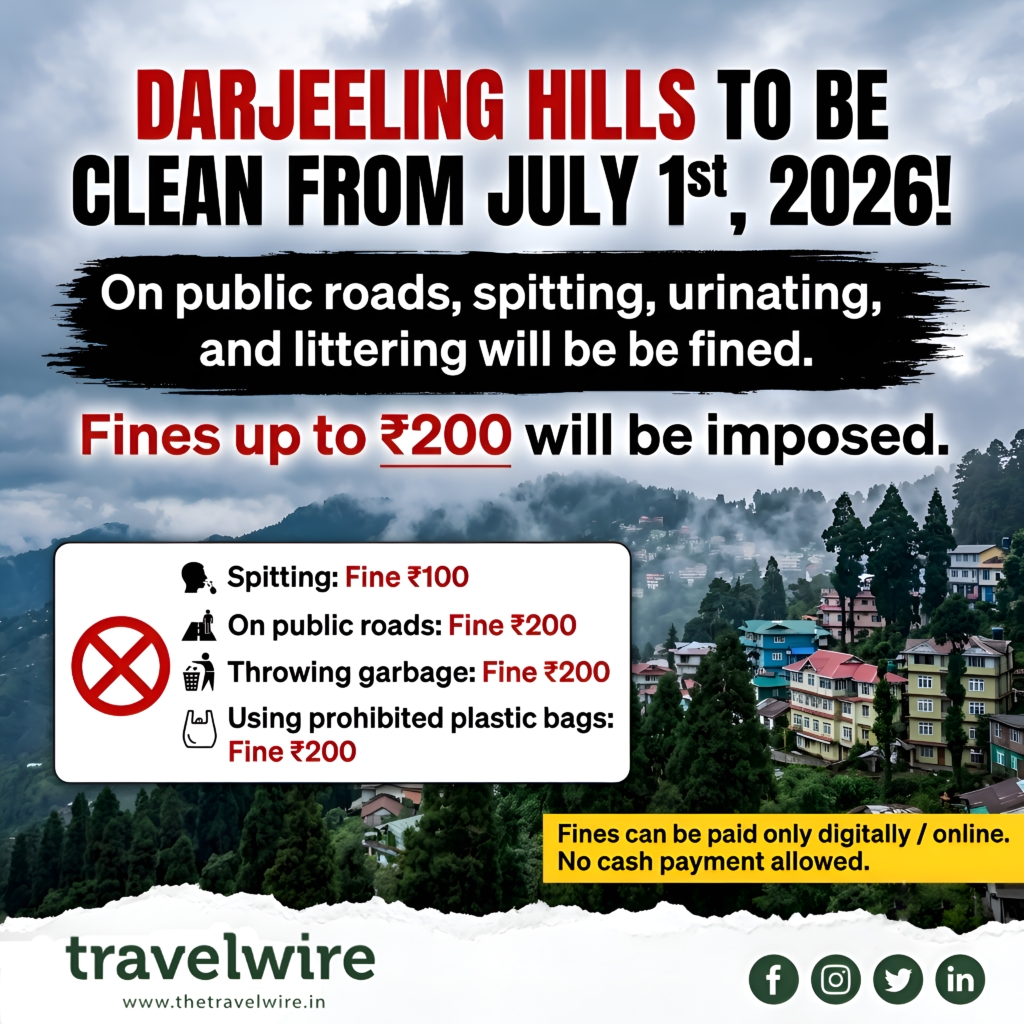
According to recent announcements, fines are expected to be imposed on individuals found spitting, urinating, littering, or violating designated waste disposal regulations in public spaces across the Darjeeling Hills from July 1.
The move comes amid growing concerns over sanitation, waste management, and the increasing pressure on public infrastructure due to tourism and urban expansion.
Why the New Rules Matter
Darjeeling is one of India’s most visited hill destinations, attracting thousands of tourists every month. However, along with tourism growth comes the challenge of maintaining public cleanliness.
Common issues reported across various hill towns include:
- Public spitting on roads and footpaths
- Open urination in public spaces
- Littering near viewpoints and tourist attractions
- Improper disposal of food packaging and plastic waste
- Use of restricted plastic carry bags
Local authorities believe stricter enforcement can help preserve the beauty of the region while promoting responsible civic behavior.
Proposed Fine Structure
Under the proposed cleanliness enforcement drive, penalties may include:
| Violation | Fine |
|---|---|
| Public Spitting | ₹100 |
| Public Urination | ₹200 |
| Littering / Throwing Garbage | ₹200 |
| Use of Restricted Plastic Bags | ₹200 |
Authorities are expected to conduct inspections and enforce penalties in public areas, markets, roads, transport hubs, and tourist zones.
Digital Payments Only

One of the most notable aspects of the initiative is the move toward digital collection of penalties. According to the announcement:
- Fines will be accepted through digital payment methods.
- Online payment systems may be used for transparency.
- Cash payments may not be permitted.
- Digital records can help reduce disputes and improve accountability.
This approach aligns with broader efforts to modernize civic administration and improve governance.
Impact on Tourists Visiting Darjeeling
Tourists traveling to Darjeeling, Kurseong, Kalimpong, Mirik, and nearby hill destinations should familiarize themselves with the regulations.
Visitors are advised to:
Dispose of Waste Responsibly
Always use designated dustbins and waste collection points.
Avoid Public Spitting
Public spitting has been linked to hygiene concerns and is increasingly being regulated across India.
Use Public Toilets
Travelers should utilize available restroom facilities rather than resorting to open urination.
Reduce Plastic Usage
Carrying reusable bags and bottles can help support environmental conservation efforts.

How the Initiative Could Benefit Darjeeling
If effectively implemented, the new regulations could lead to:
Cleaner Streets
Reduced litter and improved sanitation in public areas.
Better Tourist Experience
Visitors are more likely to recommend destinations that are clean and well-maintained.
Environmental Protection
Less plastic waste and reduced pollution in ecologically sensitive hill regions.
Improved Public Health
Cleaner public spaces contribute to better overall hygiene standards.
Challenges Authorities May Face
While the initiative has been welcomed by many, successful implementation will depend on:
- Public awareness campaigns
- Availability of public toilets
- Adequate waste disposal infrastructure
- Consistent enforcement
- Community participation
Without proper infrastructure, enforcement alone may not deliver long-term results.
Public Reaction
Residents and tourism stakeholders have expressed mixed reactions.
Supporters believe strict penalties are necessary to preserve the beauty of the Darjeeling Hills and encourage civic responsibility.
Others emphasize the importance of improving public facilities alongside enforcement measures.
Most agree that cleaner streets, better waste management, and stronger environmental protection would benefit both locals and visitors.
What This Means for the Future of Tourism in Darjeeling
Tourism remains one of the most important economic drivers in the Darjeeling Hills. Cleanliness initiatives can play a major role in strengthening the region’s reputation as a world-class mountain destination.
Many successful tourist destinations around the world have adopted strict anti-littering and public sanitation regulations. Darjeeling’s efforts could help position the region as a cleaner, more sustainable, and more visitor-friendly destination.
As implementation begins, residents, businesses, and tourists alike will be watching closely to see how the new system performs.
Frequently Asked Questions (FAQs)
When will the new cleanliness fines start in Darjeeling?
According to recent announcements, enforcement is expected to begin from July 1, subject to official implementation.
What is the fine for public spitting?
The proposed fine is ₹100.
What is the fine for public urination?
The proposed fine is ₹200.
What is the fine for littering?
The proposed penalty for littering or throwing garbage in public places is ₹200.
Will cash payments be accepted?
Authorities have indicated that fines may be collected through digital payment methods only.
Will tourists also be fined?
Yes. If enforced, the regulations would generally apply to anyone violating the rules in designated public areas, including visitors.
Why is Darjeeling introducing these fines?
The objective is to improve cleanliness, protect the environment, enhance public health, and maintain the region’s appeal as a major tourist destination.
Final Thoughts
The proposed cleanliness enforcement initiative represents a significant step toward creating cleaner, healthier, and more sustainable public spaces across the Darjeeling Hills. Whether you are a resident, business owner, or tourist, understanding and following these rules can contribute to preserving one of India’s most iconic mountain destinations for future generations.