













Kolkata, September 5, 2026: West Bengal has unveiled a new tourism brand identity as the state government announced a ₹500-crore push to upgrade tourism infrastructure and expand the state’s tourism offerings.

Chief Minister Suvendu Adhikari unveiled the new logo and tourism brand identity at the Dhono Dhanya Auditorium in Alipore, Kolkata, on September 4.
The new identity carries the tagline:
“West Bengal — Where India Feels Different”
The campaign will use the accompanying line:
“See it in a new form, see it through new eyes.”
A dedicated ringtone for the state Tourism Department was also launched at the event.
From ‘The Sweetest Part of India’ to ‘Where India Feels Different’
The new branding marks a significant change in the way West Bengal’s tourism department presents the state.
The previous tourism campaign used the tagline “Experience Bengal, The Sweetest Part of India” and featured actor Shah Rukh Khan as its brand ambassador. The new identity instead focuses on the idea that West Bengal offers a combination of landscapes, culture and experiences that visitors may not expect to find together in one destination.
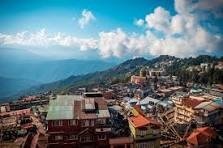
The new tourism pitch seeks to highlight the state’s geographical and cultural diversity — from the Himalayas and tea gardens of North Bengal to the Ganga, Kolkata’s heritage and the Sundarbans.
According to the tourism department’s branding vision, the campaign is intended to encourage travellers to experience West Bengal beyond conventional sightseeing and explore its cultural, natural and contemporary attractions.
₹500 Crore Tourism Infrastructure Push
The new brand launch comes alongside a proposed ₹500-crore investment programme for tourism infrastructure across West Bengal.
One of the major announcements is the procurement of 11 vessels for pleasure cruises on the Ganga, with the state seeking to expand river-based tourism.
The government also plans to introduce a Water Metro on the Hooghly in Kolkata, adding another dimension to the city’s riverfront tourism and transport infrastructure.
The proposed tourism push also includes:
- Modernisation of government tourist lodges
- Expansion of river tourism
- Development of new ropeway facilities
- New tourism infrastructure in North Bengal
- A proposed large-capacity yoga centre
- Development of Mandarmani as an international-standard beach destination
- A dedicated Destination Sundarbans initiative
The modernisation programme is expected to cover government tourist properties stretching from the Sundarbans to Darjeeling, potentially benefiting several of the state’s established tourism circuits.
North Bengal Gets Attention
The new tourism strategy could have particular significance for North Bengal, one of West Bengal’s most important tourism regions.
Darjeeling, Kalimpong, the Dooars and other Himalayan and foothill destinations already attract large numbers of visitors, but the state government is looking to develop additional experiences and infrastructure to encourage tourists to spend more time within West Bengal.
The government has also highlighted the relationship between North Bengal and neighbouring Sikkim. According to reporting on the announcement, many visitors pass through West Bengal while travelling towards Sikkim after visiting destinations such as Darjeeling and Kalimpong.
The new strategy seeks to encourage more travellers to treat West Bengal itself as a destination rather than simply a gateway to other parts of the eastern Himalayas.
A proposed 1,000-capacity yoga centre in North Bengal is among the initiatives announced as part of the wider tourism development plan.
Government Tourist Lodges to Be Modernised
Another major component of the plan is the modernisation of government-operated tourist accommodation.
The proposed upgrades are expected to cover tourism properties across different geographical zones, including destinations in North Bengal, the hills, coastal Bengal and the Sundarbans.
The objective is to improve the overall visitor experience while strengthening tourism infrastructure beyond major cities and established destinations.
Focus on Year-Round Tourism
The government has indicated that the broader strategy is intended to make tourism a year-round economic activity rather than one concentrated around particular destinations or seasons.
A “One District, One Destination” approach has also been proposed, with districts being encouraged to identify and develop key tourism destinations.
The strategy could help distribute tourist traffic beyond the state’s most established attractions and bring more destinations into West Bengal’s tourism network.
Culture to Become Part of the Tourism Brand
The rebranding will also extend beyond logos and destination advertising.
According to reports, Tourism Department employees and officials will be encouraged to wear traditional Bengali attire on the working day preceding 12 designated cultural occasions, including Poila Boishakh, Saraswati Puja, Dol, Buddha Purnima, Janmashtami, Durga Puja, Kali Puja and Poush Sankranti.
The move is part of the government’s broader attempt to incorporate Bengal’s cultural identity into its tourism promotion.
What the New Tourism Identity Means for Travellers
With “Where India Feels Different”, West Bengal is attempting to present itself as a destination offering a wide range of experiences within one state — Himalayan landscapes, tea gardens, forests, rivers, beaches, heritage, food, culture and urban experiences.
For North Bengal in particular, the proposed investment in tourism infrastructure could become significant if projects such as upgraded accommodation, ropeways and new visitor attractions are implemented.
The success of the new identity, however, will ultimately depend not only on the branding but also on how effectively the proposed infrastructure projects are delivered on the ground.
TravelWire Take
West Bengal’s tourism rebranding is more than a change of tagline. The ₹500-crore investment plan indicates an attempt to combine a new global-facing tourism identity with infrastructure development across the state.
For travellers heading towards Darjeeling, Kalimpong, the Dooars and Sikkim, developments in North Bengal will be particularly worth watching as the new tourism strategy takes shape.